Ticks in Central Oregon: More Common Than You Think — And What to Do Before You Head Out

Ask most Bend pet owners whether they worry about ticks, and you'll often get a shrug. "That's more of an East Coast problem, right?"
Not anymore — and not here.
Tick populations in Oregon have been expanding steadily, and Central Oregon is no exception. Elevation and dry climate offer some protection, but if your dog hikes, hunts, camps, or even romps through brushy areas around Bend, tick exposure is a real possibility — and the diseases they carry are ones worth taking seriously.
Ticks Found in Our Region
The Western Black-Legged Tick (also called the deer tick) is the species of greatest concern in Oregon. It's the primary carrier of Lyme disease in the western U.S. The Rocky Mountain Wood Tick is also present in our region and can transmit Rocky Mountain Spotted Fever and tick paralysis. Both species are most active from early spring through early summer — right when most of us are getting outdoors with our pets.
The Risks They Carry
Lyme disease is the most well-known tick-borne illness, but it's far from the only one. Depending on the species, ticks in our region can transmit:
Lyme disease — causing lameness, joint swelling, fever, and kidney complications if left untreated
Anaplasmosis — fever, lethargy, loss of appetite, and occasionally bleeding disorders
Rocky Mountain Spotted Fever — a serious and fast-moving illness causing fever, rash, and neurological symptoms
Tick paralysis — a rapid-onset condition caused by toxins in tick saliva that can mimic neurological disease
Most of these conditions are treatable when caught early. The challenge is that symptoms are often vague and easy to attribute to other causes — a tired dog after a long hike, a pet that's "just off" for a few days.
What Prevention Looks Like
The good news is that tick prevention has never been more effective or easier to maintain. Options today include monthly topical treatments, oral chewables (which many dogs take eagerly), and longer-acting collars. The right choice depends on your pet's lifestyle, health history, and how much time they spend in high-exposure environments.
We also recommend asking about the Lyme vaccine for dogs that spend significant time on trails or in wooded areas. It's not right for every pet, but for frequent hikers and hunting dogs, it's a valuable layer of protection.
How to Do a Proper Tick Check
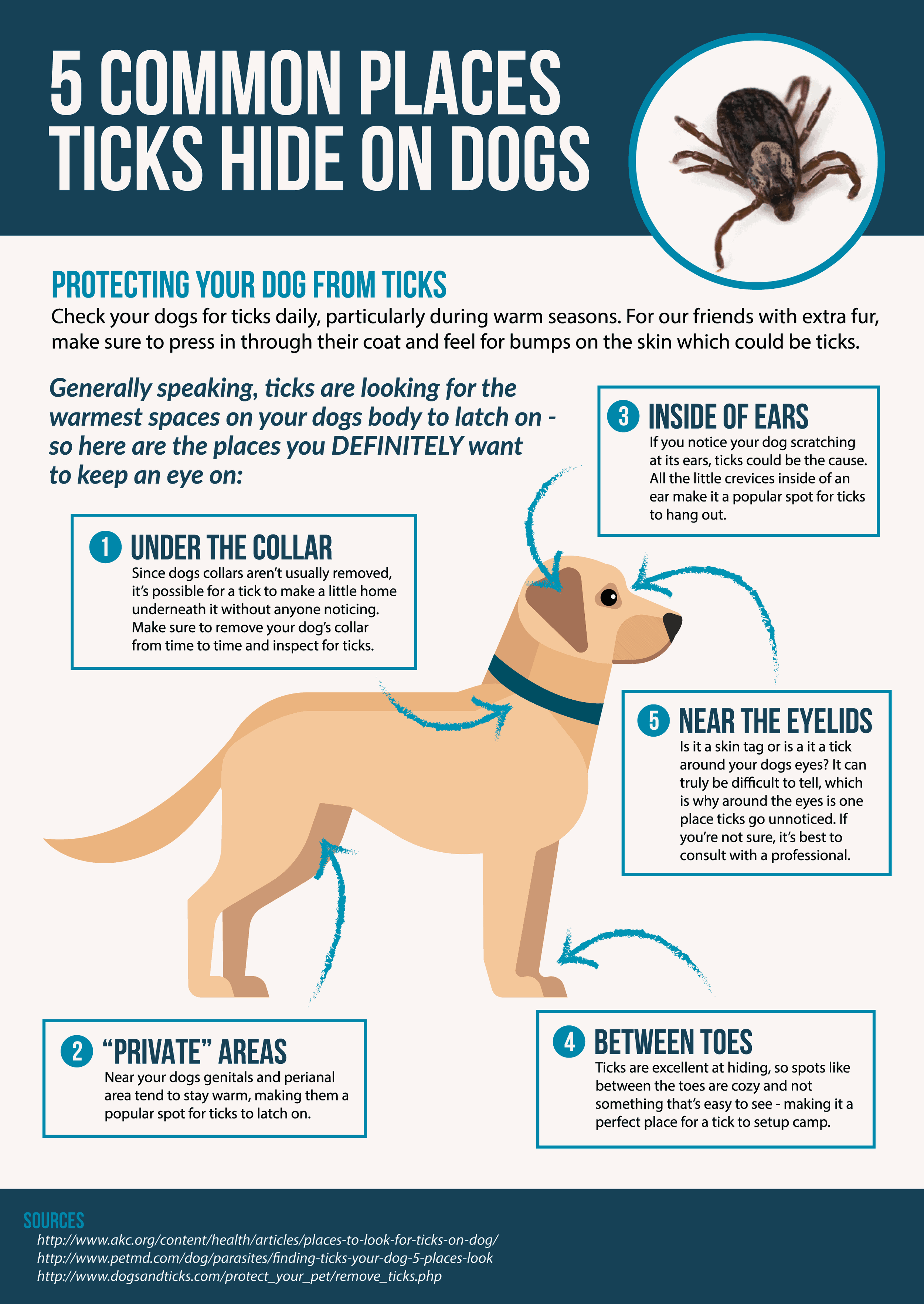
Even with prevention in place, a post-adventure tick check is a good habit. Ticks prefer warm, hidden spots — check between the toes, around the ears, inside the groin, under the collar, and around the tail. Ticks need to be attached for several hours before most diseases are transmitted, so prompt removal matters.
If you find a tick, use fine-tipped tweezers to grasp it as close to the skin as possible and pull upward steadily — never twist or jerk. Save the tick in a sealed bag in case symptoms develop, and contact your vet.
Ready to Head Into the Season Prepared?
If your pet isn't currently on a tick preventative, or if you're unsure whether what you're using is the right fit, spring is the ideal time to revisit that conversation. Give us a call at High Desert Veterinary — we're happy to help you build a prevention plan that matches your pet's lifestyle before tick season hits full stride.